Welcome to a practical, field-tested guide that helps homeowners, builders, and property managers navigate the crowded world of roof construction and installation. My name is Alex Carter, and for over a decade I’ve stood at the edge of countless roofs, listening to every squeak, every gust, every plan for a better, longer-lasting roof. This article blends hands-on experience, client stories, transparent advice, and actionable steps you can take right away. If you’re weighing options among the main players in the roofing arena, you’ll find clarity here.
SSQ Roofing 101: Meet the Main Rivals
When I started in this industry, the market felt like a crowded marketplace with dozens of names and a handful of promises. Today, the main rivals are the brands and teams that consistently deliver on performance, warranty, service, and transparency. This section introduces the key players, what they’re known for, and how they stack up in real-world projects. We’ll cover material types, installation practices, and how to read a proposal without getting overwhelmed.
Heritage Shingle Systems: Stability, Cost-Effectiveness, and Time-Tested Methods
Heritage Shingle Systems has long been a staple for mid-range residential projects. The strength of this rival lies in predictable performance and wide availability of color and profile options. In practice, you’ll find a straightforward installation process, standard warranties, and a well-established supply chain. My personal experience with Heritage projects tends to highlight three things: a forgiving install window, relatively fast turnaround, and a favorable price point for families who are funding from their own pocket. Yet, the flip side is that Business the look can feel conventional in competitive neighborhoods, and premium upgrades may push the price beyond what some homeowners expect.
From a client perspective, here’s what we often share in the initial consultation: “If you want a well-known, proven product line and a calm, predictable schedule, Heritage is a solid choice. It’s not flashy, but it’s dependable.” We’ve had several successful replacements for aging shingles, with excellent results when the substrate is solid and ventilation is addressed concurrently. The key to success is ensuring the right underlayment, attic ventilation, and flashing at penetrations. This trio reduces the risk of leaks and extends the roof’s life.
Premium Composite Providers: Longevity, Flexibility, and Aesthetic Range
Premium composite roofs have surged in popularity for their long life, resistance to weathering, and design versatility. You’ll see a spectrum of colors and textures designed to mimic traditional materials while offering modern performance. In my experience, projects with premium composites tend to have longer lead times and more detailed color-matching tasks, but they reward homeowners with superior UV stability and a lighter overall weight on the structure. The installation often involves meticulous nailing patterns and higher-quality underlayment, which means the crew must be fully trained and punctual on every day of the project.
Real-world client stories abound here. One family upgraded from asphalt to a composite system during a major remodel. The outcome was a roof that retained its curb appeal for years, reduced maintenance calls, and a noticeable improvement in energy efficiency. The caveat? The upfront cost is higher, and color selection deserves a thoughtful, Business patient process. We facilitate this by bringing a sample board to the site, laying it on the roof line, and cross-checking with the home’s brick, trim, and landscape palette. It’s not just about color; it’s about the entire visual and performance package.
Metal Roofing Manufacturers: Durability, Fire Resistance, and Energy Savings
Metal roofs have become a mainstream option for both modern and traditional houses. The main advantages are durability, weather resistance, lower maintenance, and excellent fire performance. In my experience, metal roofs shine in areas with heavy hail storms, high winds, or extreme temperature swings. They can be noisier during rain if the attic isn’t properly insulated or ventilated, but with a quality deck and insulation, the difference is minimized. For many clients, the environmental and energy-saving benefits justify the higher upfront cost. We’ve installed metal panels, standing-seam systems, and a variety of color-coordinated profiles to complement modern architecture as well as classic homes.
Client success story: A coastal home with salt air concerns chose a corrosion-resistant metal system. We replaced old shingles with a standing-seam option. The homeowner reported a dramatic drop in indoor temperature variance and a noticeable reduction in outdoor noise inside the upper-level rooms. The project required careful attention to flashings, coast-specific corrosion protection, and proper sealing at eave edges. This is a reminder that a successful metal roof hinges on proper ventilation and a dew point strategy in the attic.
Clay Tile Specialists: Longevity, Aesthetic Sophistication, Weight Management
Clay tile roofs evoke timeless beauty and can last for a century with proper maintenance. The main challenge with clay is weight and installation complexity. Our team always assesses structural adequacy before recommending tile, because the added weight may require structural reinforcement and updated fasteners. In practice, you’ll see the strongest performance in dry, arid climates; in areas with freeze-thaw cycles, effects can vary and require more robust substrate prep. A key advantage is exceptional wind resistance when installed with proper battening and interlocking patterns. If your house profile suits it, clay tiles can deliver a premium aesthetic with impressive durability.
One memorable project involved a circa-1920s bungalow that needed a roof upgrade without compromising its character. We collaborated with an architectural firm to design a clay tile system that echoed the home’s vintage look while meeting modern building codes. The result was a preservation-minded, weather-tight roof with a long-term maintenance plan. The main lesson here: tile roofs demand expert layout, precise underlayment, and a thoughtful approach to roof penetrations for a leak-free performance.
Flat Roof Specialists: Weatherproofing, Drainage, and Low-Profile Clean Lines
Flat roofs require a different mindset. Drainage, waterproof membranes, and the correct slope are vital. In recent projects, we’ve used single-ply membranes and built-up systems for flat or low-slope sections of homes and small commercial properties. The right membrane plus insulation stack creates a robust envelope against water intrusion. The potential pitfalls involve punctures, membrane seam failures, and improper flashing details around penetrations. The best teams pair meticulous detailing with a proactive maintenance schedule, so small issues are caught before they become big leaks. Our clients appreciate the transparency in cost and timeline that these specialists provide since flat roofs rarely behave like their pitched counterparts under pressure.
What Sets the Top Rivals Apart: Quality Assurance, Warranties, and Communication
Quality assurance drives outcomes more than any single material choice. The strongest rivals offer robust warranties, clear coverage terms, and accessible support if a problem crops up after installation. Communication is the glue that holds everything together. A project that begins with precise measurements, transparent quotes, and a documented change-order process tends to finish smoothly, even when weather disrupts the schedule. In my own practice, I emphasize three pillars with every client: upfront education, traceable decisions, and a maintenance plan that helps you protect your investment for decades.
Guided Decision-Making: How to Choose Your Roof Type and Supplier
Choosing the right roof type and supplier is a multi-step process. You don’t just pick a color and a price; you align your budget with performance expectations and climate realities. Here’s a practical flow I’ve used successfully for years:
- Assess structural capacity and ventilation: Is the attic prepared to handle the weight and moisture load? Do you have adequate soffit and ridge venting? Define environmental priorities: Energy efficiency, fire resistance, wind uplift, hail resistance, or aesthetics? Match materials to climate: Metal for hail-prone zones, clay for long life and heat management, composites for balanced performance and modern look. Evaluate warranties and service: What exactly is covered, how long, and who handles claims? Inspect the contractor’s process: Are permits, inspections, and material deliveries scheduled and tracked?
Let me share a quick example from a recent project. A mid-century home in a windy valley needed a roof that could weather both strong gusts and sun. We recommended a premium metal system with color-coated panels and a standing-seam profile to minimize surface fasteners. We also scheduled a staged installation to minimize disruption to the homeowners who work from home. The result was a roof that performed through several storms during the first year and kept the interior comfortable with minimal temperature swings. The homeowner appreciated the transparency in the bid, the detailed timeline, and the annual inspection plan we built into the warranty.
Transparent Advice: Common Pitfalls and How to Avoid Them
Over the years, certain pitfalls recur. Here’s how to sidestep them and protect your investment:
Pitfall: Underestimating attic ventilation
Airflow matters as much as the roof itself. If the attic is poorly ventilated, heat and moisture gather, leading to deck warping, faster shingle degradation, and potential condensation issues. Advice I often give: pair your new roof with an optimized ventilation plan. This not only extends the roof life but improves living comfort and reduces energy costs.
Pitfall: Inaccurate load calculations for weight-heavy materials
Before you buy clay tiles or heavy slate options, confirm the structural framing can carry the extra weight. If not, reinforcement might be necessary, which adds cost but saves from later structural failures. A proactive approach means you know early and can budget accordingly.
Pitfall: Skimping on underlayment and flashing
Underlayment and flashing are the unsung heroes of a watertight roof. A quality underlayment plus well-sealed flashing around chimneys, vents, and skylights can save you thousands in repairs later. If a supplier tries to quote a lower tier underlayment, push back and ask for an upgrade that suits your climate and roof pitch.
Pitfall: Poor project coordination and schedule management
A well-planned schedule reduces weather-related delays and keeps the project on track. Ask for a detailed calendar, daily progress photos, and a single point of contact for updates. You’ll find this level of coordination makes a big difference in the end result.
Client Success Stories: Real People, Real Roofs
Stories shape trust as much as technical know-how. Here are a few snapshots from recent clients illustrating how we turned challenges into durable, satisfying outcomes.
Case Study 1: A Restored Family Home with a Modern Twist
A longtime client wanted to upgrade a century-old home with a contemporary roof profile that didn’t compromise its character. We installed a premium composite system with a subtle color blend that echoed the original exterior while delivering modern durability. The family reported fewer maintenance calls and an uptick in curb appeal. The best part for me was collaborating with a local architect to ensure the new roof line respected sightlines from the street and blended with the brickwork. The result was a seamless integration of old and new that the whole neighborhood noticed.
Case Study 2: Hail-Resistant Retrofit for a Busy Neighborhood
In a neighborhood known for strong hailstorms, a homeowner faced recurring roof damage. We replaced the roof with a metal system designed to stand up to hail, installed with enhanced fasteners and a resilient sealant package. The project included a detailed post-install inspection plan and an owner’s manual that explained maintenance steps. The homeowner expressed relief at the reduced maintenance calls and the sense of security that came with a robust warranty. This experience reinforced my belief that proactive planning saves headaches down the line.
Case Study 3: The Sustainable Upgrade
A small business owner wanted a roof upgrade that could lower energy bills and show a commitment to sustainability. We partnered with a supplier offering a reflective, energy-efficient membrane plus a long-lasting underlayment system. The installation was completed with minimal disruption to business hours, and the tenant noticed cooler spaces during peak sun. The climate-responsive design earned praise from the property management team and served as a talking point for the building’s marketing materials.
Maintenance Mindset: How to Extend Your Roof’s Life
Even the toughest roof requires regular maintenance. Here’s a practical plan you can implement or request from your contractor.
- Annual inspections: Look for loose fasteners, damaged flashing, or blistering in underlayment. Gutter care: Keep gutters clear of leaves and debris to prevent water backing up toward the fascia. Ventilation checks: Confirm attic vents are clear and unobstructed for optimal airflow. Moss and algae control: In humid climates, treat organic growth promptly to protect the roof surface. Sealant refresh: Re-seal chimney and vent penetrations as needed to preserve watertight integrity.
I recommend building a simple maintenance schedule with your annual contract. A small investment in routine care reduces larger repair costs and preserves the roof’s aesthetic and structural health.
Frequently Asked Questions
Q1: How do I know which roofing material is best for my house?
A1: Start with climate considerations, structural capacity, and your budget. For climates with temperature swings and precipitation, metal or composite systems often offer balance between durability and cost. Clay tiles suit traditional aesthetics and long life but require a sturdy structure. A professional assessment helps tailor the choice to your home and goals.
Q2: What should I look for in a roofing contractor?
A2: Look for licensed professionals with solid references, a clear written estimate, and a detailed project timeline. Ask about warranty coverage, the subcontractors used, and proof of insurance. A walk-through of past projects is a strong indicator of workmanship quality.
Q3: How long does a typical roof installation take?
A3: It varies with material type and roof size. A standard 2,000-square-foot home may take a few days for shingles, whereas metal or tile systems can span a week or longer, depending on weather. useful reference Your contractor should provide a realistic schedule with contingency plans for weather delays.
Q4: Will replacing my roof increase my home value?
A4: Yes, a high-quality roof improves curb appeal and structural integrity. Longevity and warranty terms contribute to resale value. The right roof can be a strong selling point for buyers who value low-maintenance homes.

Q5: Can I install a new roof over my existing one?
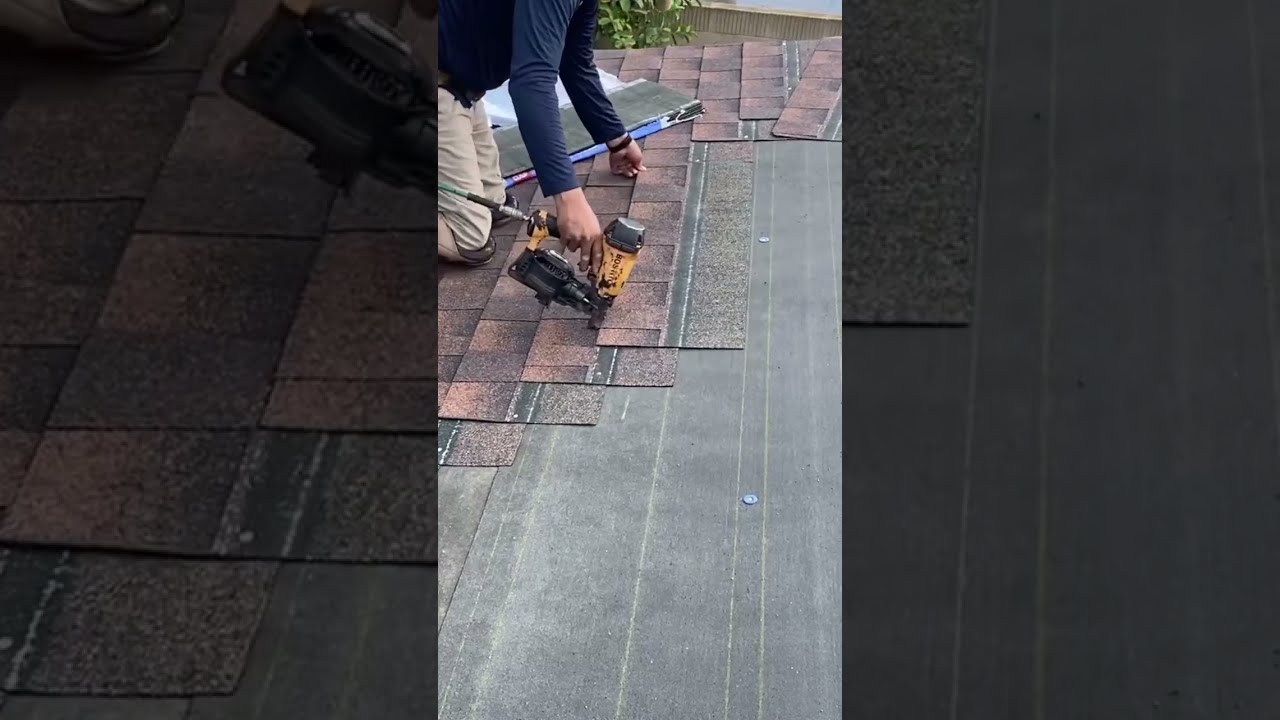
A5: In some cases, yes, but it’s not always advisable. A roof-over can add weight and may cover existing problems. A thorough inspection is required to determine if a tear-off is necessary for a sound, long-term result.
Q6: How do I compare roofing quotes?
A6: Compare material quality, warranty terms, and included services like ventilation, underlayment, flashing, and cleanup. A quote with a lower upfront price that omits critical components may cost you more in the long run. Ask for itemized line items and decision points so you can judge truly what you’re paying for.
Conclusion: Building Trust Through Transparency and Results
Roofing isn’t just about what sits on top of a house; it’s about the protection, comfort, and energy efficiency that steady the home over decades. The main rivals in the market each bring strengths. The smart approach is to align your project with your climate, structural realities, and aesthetic goals, while demanding transparent planning, robust warranties, and responsive service. My practice centers on three commitments: educate first, document every decision, and stand by the work with a clear, reliable maintenance plan. When you choose a team that treats your home as if it were their own, you don’t just get a roof you can rely on—you gain peace of mind for years to come.
If you’re ready to talk through your options, I’m here to help. I’ll walk you through a personalized assessment, explain the trade-offs in plain language, and lay out a plan that fits your budget and your home’s character. The goal is simple: a roof that protects your family, complements your property, and stays worry-free so you can focus on what matters most.
Table: Quick Comparison of Main Roof System Types
Roof Type Durability Weight Energy Efficiency Typical Cost (per sq ft) Ideal Climates Shingle (asphalt) Moderate Low Moderate 1.50–4.50 General Composite High Low–Medium High 4.50–8.50 Varied Metal Very High Moderate High 6.00–12.00 Storm-prone, hail-prone Clay Tile Very High Very High Moderate 10.00–20.00 Desert, warm climates Flat Roof Membranes High with good maintenance Low Medium 5.00–12.00 Low-slope areasFinal Thoughts: Your Roof, Your Story
Every roof tells a story of weather, care, and the people who built it. From the quiet confidence of a well-installed metal roof to the classic charm of a clay tile that preserves a home’s character, the right choice aligns with your values, climate, and life plan. This guide has walked you through the main rivals, the decision framework, and the real-world outcomes that customers deserve. If you’d like to explore this in a no-pressure conversation, I’m ready to listen, explain, and help you chart a path that brings comfort, safety, and long-term value to your property.
Frequently Asked Questions Continued
Q7: Do you offer financing options for roof projects?
A7: Many clients appreciate flexible financing that makes upgrades affordable. We can connect you with reputable providers and help you choose a plan that fits your cash flow while maximizing the value of your investment.
Q8: What is the typical lifespan of the most common roof materials?
A8: Asphalt shingles typically last 15–30 years, composites 25–40 years, metal 40–70 years, and clay tile 50–100 years depending on climate and maintenance. Proper installation and ventilation extend these lifespans significantly.
Q9: Can I help with cost saving during installation without sacrificing quality?
A9: Absolutely. We optimize the project by planning for long-term durability, selecting materials with a favorable balance of cost and performance, and coordinating timely deliveries and inspections to minimize waste and downtime.
Q10: How do you handle weather-related delays?
A10: We build contingency into the schedule, communicate daily weather forecasts, and create a staged plan so critical work proceeds when conditions allow. The goal is to protect both the crew and the project quality without unnecessary downtime.
Q11: What makes a warranty truly worthwhile?
A11: Look for coverage that includes workmanship, material defects, and hail or wind-related damage as applicable. A strong warranty also defines maintenance responsibilities and the claim process clearly, with prompt service and documentation.
Q12: How should I prepare my home before roof work begins?
A12: Clear the area near work zones, protect landscaping, remove vehicles, and designate a safe access route for the workers. Ask for a checklist from your contractor so you know exactly what to expect on day one.
With these insights, you can engage confidently with any roofing professional. The aim is not just to choose a material, but to partner with a team that respects your home, your time, and your budget. Let’s start a conversation about your roof today and build a plan that stands up to the test of time.